
- Cosmetic Dentistry
- ✦
- Porcelain Veneers
- ✦
- Clear Aligners
- ✦
- Smile Design
- ✦
- Dental Implants
- ✦
- Advanced Technology
Replace Missing Teeth with Permanent Dental Implants
Dealing with missing teeth, painful chewing, or loose dentures can take away the simple joy of eating your favorite foods and smiling with confidence. At Carefree Smiles Dentistry, Dr. Graydon Wyatt, DDS, Dr. Destry Cook, DDS, and our caring dental team provide dental implant solutions to help you smile naturally again.
If you’re searching for natural-looking tooth replacement options near North Phoenix, Anthem, or Cave Creek, we make the process gentle, straightforward, and personalized to your needs.
Ready to discover the best long-term tooth replacement option for your smile? Call our welcoming front office team directly at (623) 533-5699 to schedule your one-on-one dental implant consultation.
Why Patients Choose Carefree Smiles Dentistry for Dental Implants in North Phoenix
Replacing missing teeth is an important decision, and it helps to understand your options before committing to treatment. At Carefree Smiles Dentistry, our dental team takes time to discuss your goals, evaluate your oral health, and explain the treatment options that may suit your needs.
- Personalized Treatment Planning: Every smile is different. We consider your oral health, the number of missing teeth, and your goals when discussing possible implant treatments.
- 3D Imaging for Implant Planning: Dental imaging can help your dentist evaluate your jawbone and the structures surrounding a potential implant site. Ask our team about our CT and cone beam imaging technology and how it may be used during your evaluation.
- A Comfortable Dental Experience: We want you to feel informed and comfortable asking questions throughout treatment. You can also read about other patients’ experiences in our patient testimonials.
What Are Dental Implants?
A missing tooth leaves a space that can affect your smile, bite, and confidence. Dental implants replace that tooth with a restoration designed to look and function much like a natural tooth.
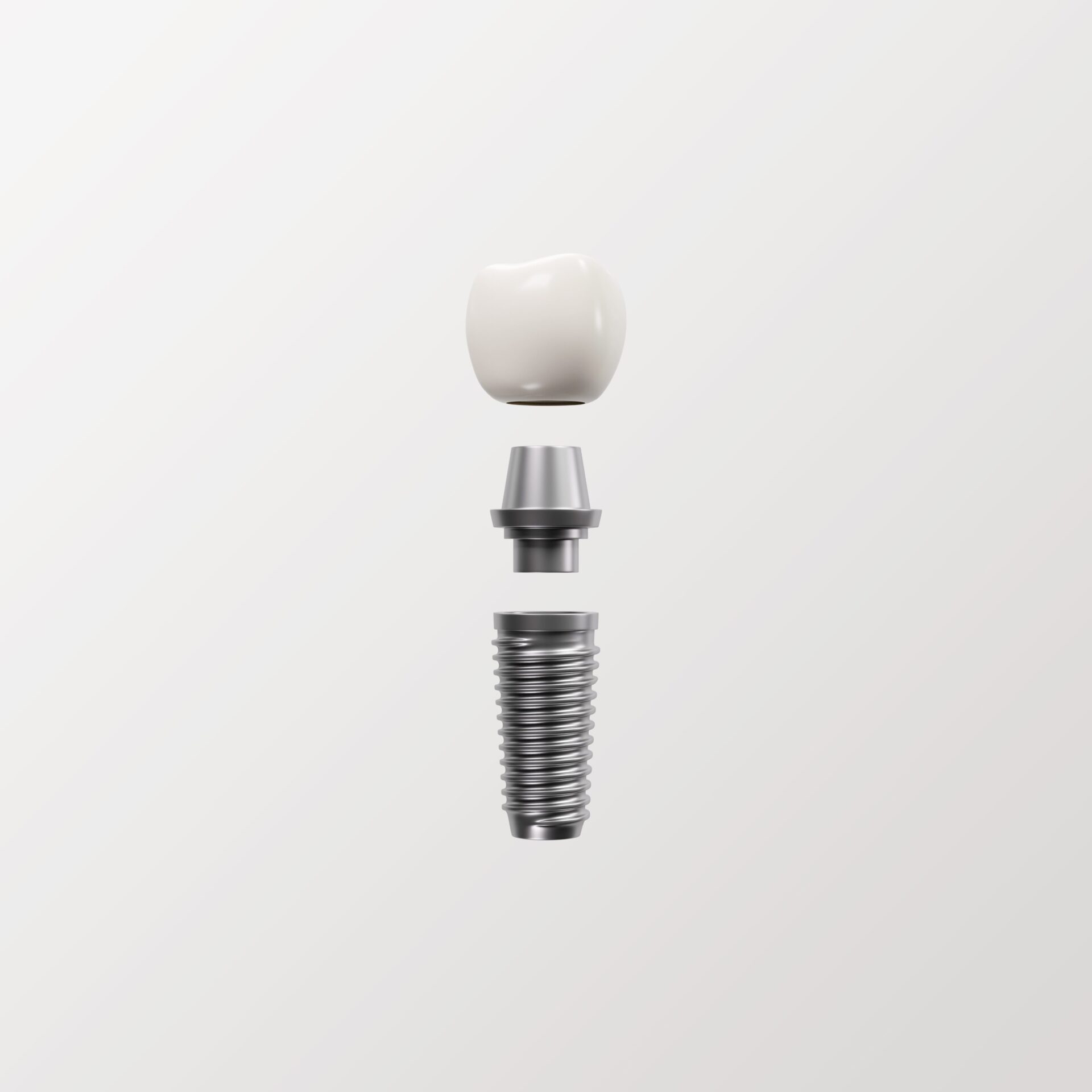
A dental implant is a small post, commonly made from titanium, that is placed in the jawbone to act as an artificial tooth root. After the implant bonds with the surrounding bone, it can support a replacement tooth, bridge, or denture, depending on how many teeth need replacing.
Why Consider Dental Implants for Missing Teeth?
Dental implants are a popular option for people who want a replacement that feels secure and fits naturally into their daily lives. While every treatment has its own considerations, implants offer several potential benefits.
A Natural-Looking Smile
The visible replacement tooth can be designed to complement your surrounding teeth in shape, size, and color. Once the restoration is in place, it can blend into your smile rather than draw attention to the space where a tooth was missing.
More Confidence When Eating and Speaking
Missing teeth or loose dentures can make certain everyday activities feel less comfortable. Because dental implants are anchored in the jawbone, they can provide a stable foundation for replacement teeth. Your experience will depend on the type of restoration, how well it fits, and your individual oral health.
Support for Your Jawbone
The jawbone receives stimulation through the roots of natural teeth. After a tooth is lost, the bone in that area can gradually shrink. Dental implants can provide stimulation to the surrounding bone through the implant, helping limit bone loss in the treated area.
A Long-Term Tooth Replacement Option
With appropriate care, dental implants can last for many years, and some last for decades. Their lifespan depends on factors such as oral hygiene, gum health, general health, bite forces, and regular dental visits. The crown or other restoration may need repair or replacement over time, even when the implant itself remains stable.
Are You a Candidate for Dental Implants?
Dental implants may be an option if you have lost a tooth because of decay, gum disease, an injury, or another dental problem. They can be used to replace one missing tooth or support a restoration that replaces several teeth.
The right treatment depends on more than the space left by a missing tooth. During your consultation, your dentist will consider your gum health, jawbone, medical and dental history, and goals for your smile.
You may be a candidate if:
- You have one or more missing teeth.
- Your gums are healthy enough to support implant treatment, or any existing gum concerns can be addressed first.
- You have enough jawbone to support an implant, or additional treatment may make placement possible.
- You are willing to maintain good oral hygiene and attend regular dental checkups.
Certain health conditions, medications, tobacco use, and other factors can affect healing and implant success. Having one of these concerns does not automatically rule out treatment, but it should be discussed with your dentist. Call (623) 533-5699 to learn more and discuss your options.
What Happens During Dental Implant Treatment?
1. Your Initial Consultation
Your dentist will examine your mouth, discuss the teeth you want to replace, and review your dental and medical history. Imaging may be recommended to assess the jawbone and surrounding structures. This is also your opportunity to talk about concerns, ask questions about cost and timing, and learn which treatment options make sense for you.
2. Planning Your Treatment
Once your dentist has assessed your needs, the next step is to plan the placement and restoration. Some patients need a tooth extraction or bone grafting before an implant can be placed. Others may be ready to proceed without these additional procedures.
3. Placing the Implant
The implant is placed in the jawbone during a dental procedure. Local anesthesia is commonly used, and other comfort options may be discussed when appropriate. After placement, the implant needs time to bond with the surrounding bone. This healing process, called osseointegration, creates the foundation that helps support the replacement tooth.
4. Attaching Your Replacement Tooth
Once the implant has healed sufficiently, your dentist can move forward with the planned restoration. Depending on your treatment, this may be a crown for one missing tooth, a bridge for several missing teeth, or a denture supported by implants. The goal is to create a replacement that fits comfortably and works with your bite.
5. Caring for Your New Smile
Dental implants still require daily care. Brushing, cleaning between your teeth, and attending regular dental visits help protect the gums and surrounding tissues. Your dentist will explain how to care for your implant and restoration at home.
Dental Implants vs. Bridges and Dentures
Dental implants are not the only way to replace missing teeth. Bridges and dentures remain useful options, and the right choice depends on your situation.
- Dental Implants: An implant is placed in the jawbone and can support an individual crown, bridge, or denture. Implant treatment involves surgery and a healing period, and it may not be suitable for every patient.
- Dental Bridges: A bridge fills a gap by attaching a replacement tooth to neighboring teeth or other supporting structures. A traditional bridge generally requires preparation of the supporting teeth.
- Dentures: Full or partial dentures replace multiple missing teeth and can be removable. Depending on their design, they may rest on the gums or receive additional support from dental implants.
Your dentist can help you compare comfort, maintenance, treatment time, and cost before you decide. There is no need to choose a treatment before you understand the available options.
Financing Dental Implant Costs in Phoenix
The cost of dental implants depends on how many teeth need replacing, the type of restoration, and whether additional procedures are needed before treatment. At Carefree Smiles Dentistry, our team can help you understand the estimated cost of your treatment and review the payment options available to you.
- Dental Insurance: We are in-network with many dental insurance providers. Coverage for implants and related procedures varies by plan, so we recommend checking your benefits before beginning treatment.
- CareCredit Financing: We work with CareCredit, which offers financing options for eligible patients. Approval, payment terms, and any promotional financing offers depend on the applicable agreement.
- In-House Membership Plan: If you do not have dental insurance, ask about our in-house membership plan and which services it includes. The plan is designed to help with eligible preventive care; confirm any applicable benefits before assuming it will reduce the cost of implant treatment.
- Written Treatment Estimates: Before proceeding, ask our team to explain the expected treatment costs, estimated insurance benefits, and any anticipated out-of-pocket expenses.
For more information, visit our financing and insurance page or call (623) 533-5699 to discuss your options.